
Shockwave Therapy at Savvy Physical Therapy
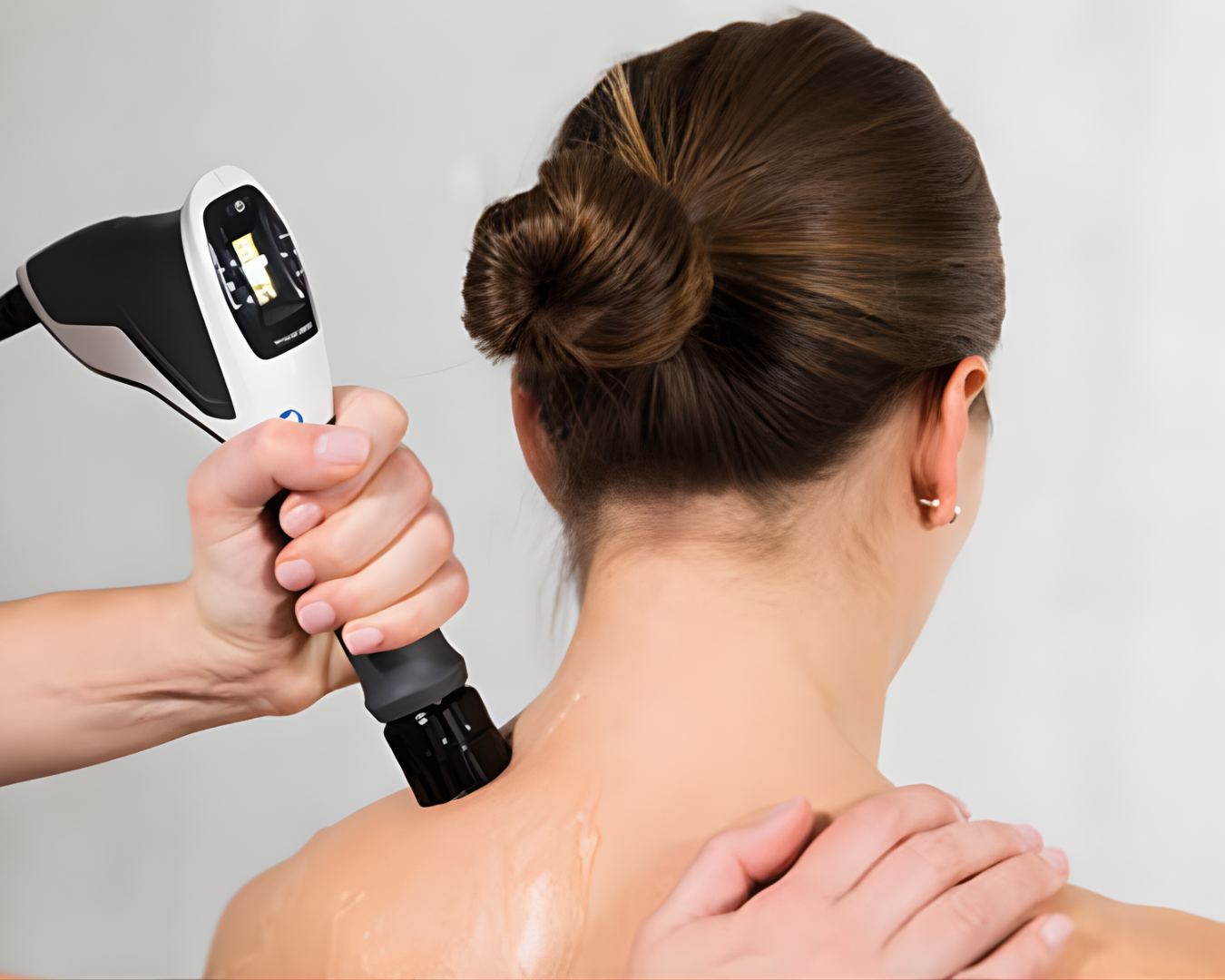
What Is Shockwave Therapy?
Shockwave Therapy—also known as Radial Pressure Wave Therapy or Extracorporeal Shockwave Therapy - is a non-invasive treatment that uses high-energy acoustic pressure waves to stimulate healing in damaged soft tissues. These mechanical pulses activate stalled cells, increase blood supply, shift chronic inflammation toward recovery, break up scar tissue or calcific deposits, and reduce pain.
Sessions are short, typically 15 minutes, and clinically effective for people who have stubborn, long-standing pain or injuries that haven’t responded fully to rest, massage, traditional rehab programs, or strengthening alone. Shockwave works at the cellular level, helping your body repair tissue that has stopped healing on its own.
Savvy Physical Therapy provides orthopedic, sports, and musculoskeletal-focused shockwave therapy using a high-quality radial pressure wave device designed specifically for pain relief, tendon and muscle healing, and injury recovery.
Conditions Shockwave Therapy Helps Treat
Shockwave is particularly effective for
tendon, muscle, fascia, and chronic soft-tissue conditions.
Foot & Ankle
• Plantar fasciitis / plantar fasciopathy
• Achilles tendinopathy (insertional or mid-portion)
• Peroneal tendinopathy
• Metatarsalgia (mid-foot pain)
• Chronic ankle sprains or stiffness
Lower Leg
• Shin splints (medial tibial stress syndrome)
• Calf strains
• Chronic calf tightness
Knee
• Patellar tendinopathy (jumper’s knee)
• Meniscus-related pain (non-acute)
• Knee osteoarthritis
• Chronic joint stiffness
Hip & Thigh
• Proximal hamstring tendinopathy
• Gluteal tendinopathy
• IT band pain/tightness
• Hamstring strains
• Hip osteoarthritis
Shoulder
• Rotator cuff tendinopathy
• Subacromial pain/impingement
• Biceps tendinopathy
• Frozen shoulder (adhesive capsulitis)
• Calcific tendinitis
Elbow
• Tennis elbow (lateral epicondylalgia)
• Golfer’s elbow (medial epicondylalgia)
Wrist & Hand
• Carpal tunnel syndrome
• Tendon overuse pain
Spine & Pelvis
• Neck pain from muscular tension
• Upper trapezius trigger points
• Low back pain with myofascial involvement
• Piriformis syndrome
Whole-Body / Myofascial Conditions
• Chronic trigger points
• Muscle tightness unresponsive to stretching
• Post-surgical stiffness (complementary)
• Chronic pain when other treatments have failed
• Scar tissue adhesions
• Recovery support for athletes
What to Expect During Your Shockwave Therapy Sessions
Your First Visit (55 Minutes)
Your initial appointment includes:
• A full body evaluation
Savvy Physical Therapy aims to find the root cause of your pain. Many times, pain & tissue damage are the result of weakness or mobility dysfunction somewhere else in your body. To get the best results from shockwave therapy, we want to make sure that it is the best treatment for your issue and that we are considering all contributing factors.
• Shockwave therapy treatment
• A customized home exercise plan
You will leave understanding your diagnosis, the tissues involved, and how to support your healing between sessions.
Follow-Up Visits (20 Minutes or less)
These shorter sessions focus exclusively on the shockwave treatment. Since you will already be familiar with your exercises, we can maximize treatment time and efficiency.
What Shockwave Therapy Feels Like
Most people describe radial pressure shockwave therapy as a strong vibration or tapping sensation. It may feel like:
• Rhythmic thumping or pulsing
• Deep targeted pressure
• A “good hurt” similar to deep-tissue massage
• Briefly sharper tenderness over injured or irritated areas
The intensity is adjustable, and we will find a therapeutic level without being overwhelming. Many people who dislike needles or dry needling prefer shockwave because it is entirely non-invasive and more comfortable.
Aftercare Guidelines for ShockWave Therapy
Shockwave triggers a natural healing process that continues for 48–72 hours. To maximize your results:
Avoid Icing or Cryotherapy
Ice reduces the inflammatory and vascular response that shockwave stimulates. Avoid icing, ice baths, & cryochambers for 48 hours.
Avoid Anti-Inflammatory Medications
NSAIDs (ibuprofen, naproxen, Advil, Aleve) can interfere with tissue regeneration. Avoid for 48–72 hours. Acetaminophen is acceptable.
Modify Activity
Light activity is beneficial, but avoid heavy loading of the treated area for 24–48 hours. Athletes may return to moderate training within 1–2 days, depending on soreness.
Hydrate Well
Adequate hydration supports cellular healing.
Continue Your Home Exercise Plan
Your exercises reinforce the healing response, maintain mobility, and strengthen weak links.
How Shockwave Therapy Works
Shockwave therapy works through several well-established biological mechanisms: Mechanical Stimulus and Mechanotransduction
Shockwaves create rapid pressure changes that induce mechanotransduction, where cells convert mechanical force into biochemical signals. This activates growth factors, cell proliferation, and tissue remodeling.
Angiogenesis (Improved Blood Supply)
Research demonstrates increases in vascular endothelial growth factor (VEGF) and endothelial nitric oxide synthase (eNOS), leading to new capillary formation. This improved circulation supports tendon and muscle repair.
Recruitment of Regenerative Cells
Shockwave attracts mesenchymal stem cells and enhances fibroblast proliferation and differentiation. Signaling pathways such as PI3K/Akt and eNOS contribute to improved tissue repair and regeneration.
Immunomodulation and Inflammation Reset
Shockwave temporarily increases beneficial cytokines (IL-6, IL-8, MCP-1, TNF-α) that recruit healing cells, then helps regulate matrix-remodeling enzymes (MMPs). This shifts chronically inflamed or stalled tissue back into a normal healing cycle.
Pain Reduction
Shockwave reduces pain by:
• Lowering pain-related neuropeptides (e.g., Substance P)
• Temporarily modulating sensory nerve fibers
• Raising pain thresholds
• Reducing local muscle hypertonicity
These changes explain why many people experience both immediate and long-term pain relief.
Breakdown of Scar Tissue and Calcifications
Repeated treatments can soften scar adhesions and fragment small calcific deposits, improving mobility and facilitating healthier tissue remodeling.
Why Clients Choose Shockwave Therapy
• Short 20-minute sessions
• Faster and more affordable than typical Savvy PT care
• Very effective for chronic tendon and muscle pain
• Non-invasive, no needles, minimal downtime
• Ideal for people who dislike dry needling
• Helps restart healing when progress has stalled
*We do not offer aesthetic, veterinary, men’s health, or bone non-union shockwave services.
Shockwave Therapy FAQ’s
-
• Acute or mild issues: typically 3 visits
• Chronic tendon injuries: 4–6 visits
• Long-standing plantar fasciitis or Achilles issues: 6 or more visits
• Muscle trigger points: sometimes immediate improvement in 1–2 sessions
Most people notice meaningful improvement within 1–3 visits. es here
-
Shockwave is not recommended over:
• Active cancer or tumors
• Pregnancy (abdomen, pelvis, low back)
• Local infection or open wounds
• Active blood clots (DVT)
• Implanted electronic devices
• Near growth plates in adolescents
• Areas with impaired sensation
Use caution if you take anticoagulants, have osteoporosis, neuropathy, a recent corticosteroid injection, or metal implants.
-
• Radial shockwave disperses energy superficially over a wider area, ideal for large tendon insertions, muscles, and myofascial conditions.
• Focused shockwave delivers high energy to a deeper, more precise point, used more often for deep lesions or non-union fractures.
Savvy PT uses radial pressure wave technology, which is highly effective for orthopedic and sports-related soft-tissue injuries.
-
Shockwave:
• Is non-invasive
• Treats a broader surface area
• Stimulates cellular and tissue healing
• Is excellent for people uncomfortable with needles
Dry needling:
• Targets very precise trigger points
• Can release deep muscle bands
• Is more invasive and may cause temporary soreness
Both are effective; shockwave is ideal for those seeking a needle-free option.
-
Research and clinical experience show high success rates for tendinopathy and chronic soft-tissue injuries. Many clients experience near-full or full resolution within 3–6 sessions when combined with a targeted home exercise plan.